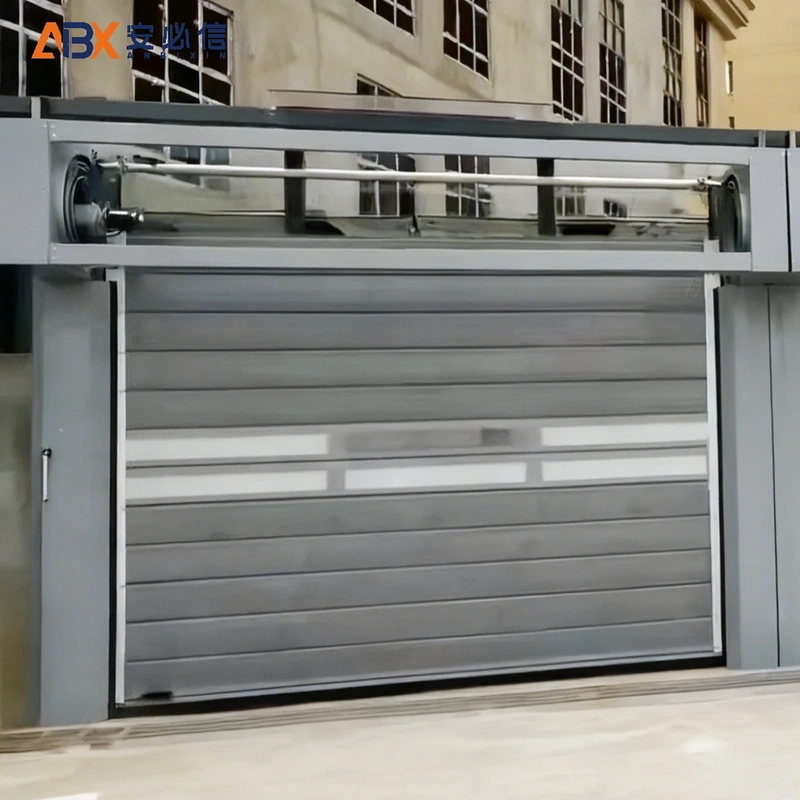
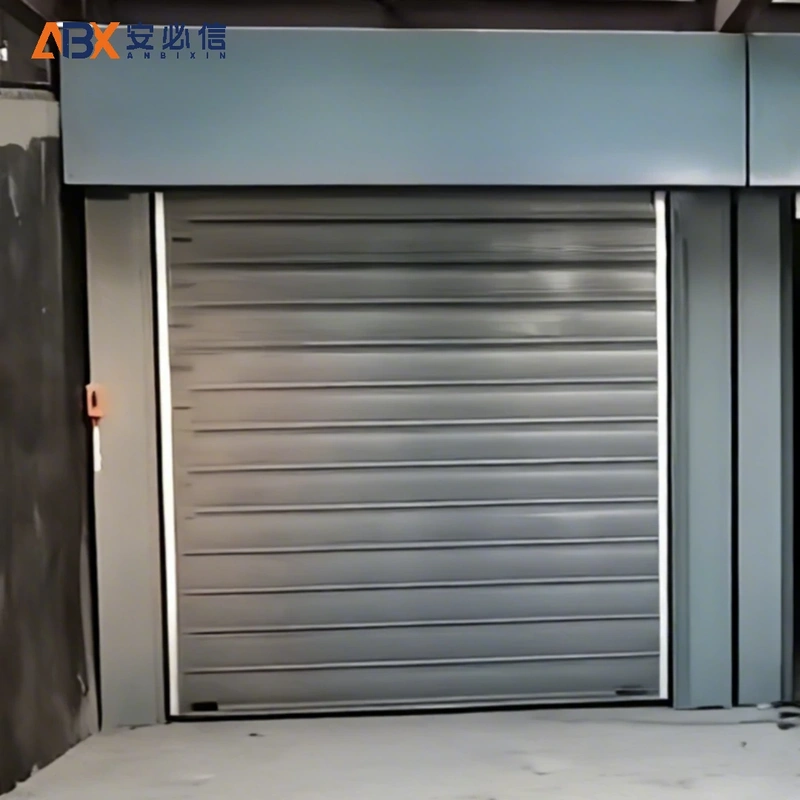
Metal High-Speed Door is a rigid high-speed door configuration. A rigid high-speed door is a powered industrial door built from rigid insulated slats that opens and closes at high speed, combining wind resistance, security and temperature separation at high-traffic openings.
Industrial Efficiency Accelerator: Anbixin Metal Rapid Doors
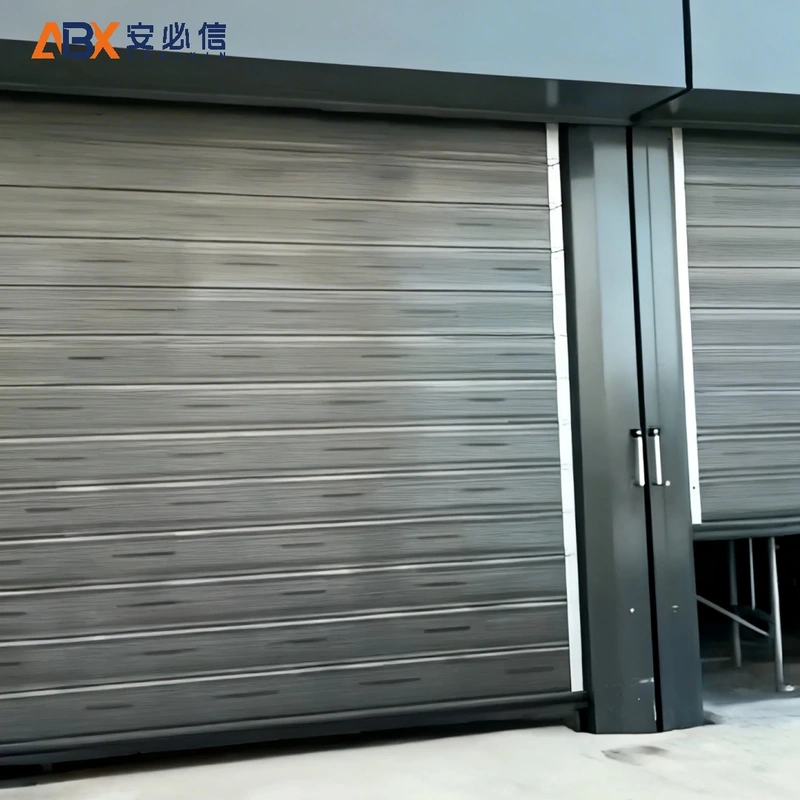
In fast-paced industrial production environments, doors act as the throat of the production process, and their performance directly impacts production efficiency and operational costs. The Anbixin metal rapid door is an industrial door solution born to address this challenge. It is not just a door, but a key device for improving factory efficiency and ensuring production continuity.
Excellent Performance, Comprehensive Protection
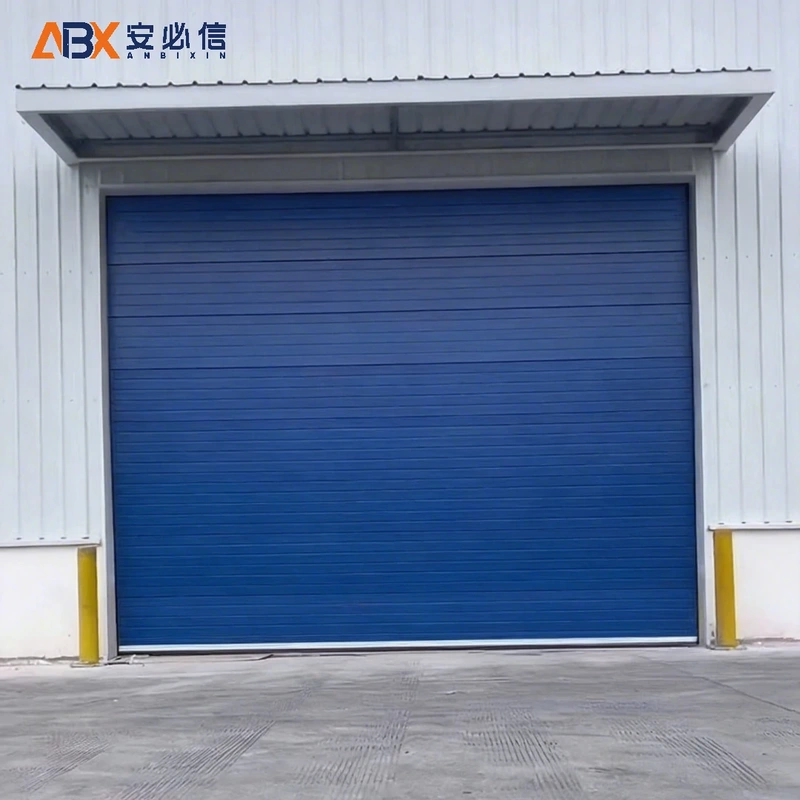
- High-speed operation, saves time: Using an advanced drive system, it achieves fast opening and closing, significantly reducing production downtime and improving overall production efficiency.
- Excellent insulation, significant energy savings: The door panel uses high-strength metal sheets and is internally filled with high-quality polyurethane or polystyrene foam, providing excellent insulation and heat retention performance, effectively reducing energy consumption.
- Durable and long-lasting: All key components are carefully designed and manufactured with high-quality materials, ensuring long-term stable performance even in frequent opening and closing and harsh environments, reducing maintenance costs.
Multiple Safety Protections, Ensuring Production Safety
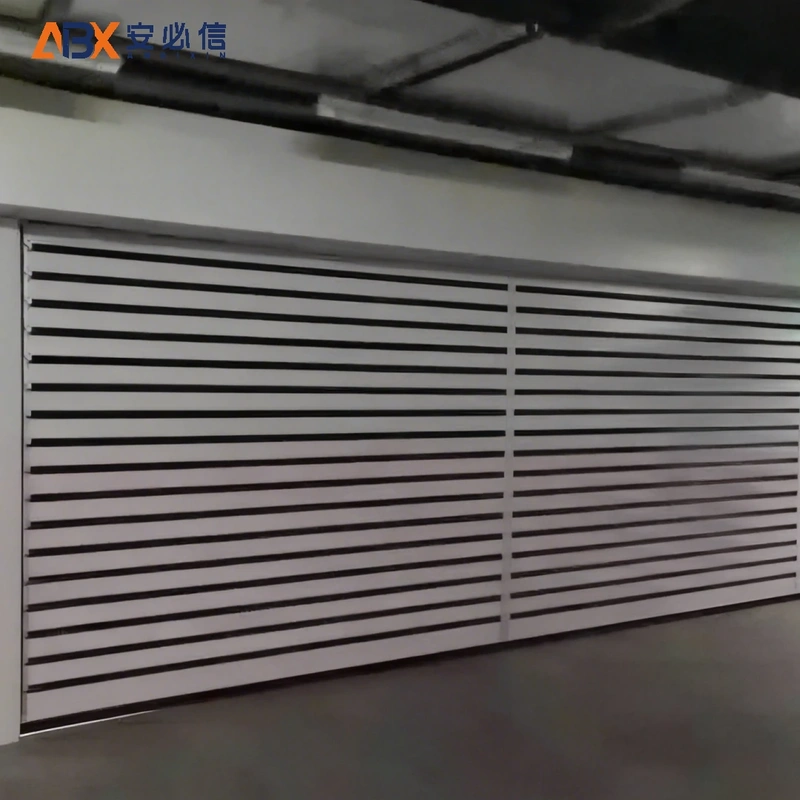
- Safety photoelectric sensing system: The door is equipped with multiple photoelectric sensors. When an obstacle or person is detected, it can immediately stop or reverse, effectively preventing collision accidents and ensuring the safety of personnel and equipment.
- Wind and rain-proof sealing design: A flexible seal strip is installed at the bottom of the door body, combined with a sealed guide rail design, which can resist strong winds and effectively prevent rain, dust, and other substances from entering the room, maintaining a stable indoor environment.
- Robust anti-collision structure: The door panel and frame are made of high-strength steel, with excellent impact resistance. Even in accidental collisions, it can effectively absorb the impact force, reduce damage, and protect internal facilities.
Choosing Anbixin metal rapid doors means choosing a more efficient, safer, and energy-saving industrial door solution. It will bring significant improvements to your work environment and help your business stay ahead in the competition.
Technical specifications
| Parameter | Typical value |
|---|
| Door panel thickness | 40 mm polyurethane foamed |
| Operating speed | 0.8-1.2 m/s adjustable |
| Drive power | 1.5-2.2 kW |
| Door height | 2.5-6 m customizable |
| Door width | 1-12 m customizable |
| Operating temperature range | -30°C to 60°C |
Values are typical configuration ranges. Final selection depends on opening size, cycle duty and site conditions.
Installation and selection notes
This model belongs to the rigid high-speed doors family, where rigid slat construction is chosen where wind load, forced-entry resistance and thermal separation must coexist with frequent traffic. Check the daily cycle count against the drive unit's duty rating. Check the wind-load figure for the building elevation and site exposure.
Frequently asked questions
What is Metal High-Speed Door?
Metal High-Speed Door is a rigid high-speed door configuration. A rigid high-speed door is a powered industrial door built from rigid insulated slats that opens and closes at high speed, combining wind resistance, security and temperature separation at high-traffic openings.
Which application scenarios are covered?
The configurations discussed on this page cover high-speed operation, saves time, excellent insulation, significant energy savings, durable and long-lasting. Each scenario has different requirements for opening speed, sealing and cycle frequency.
Which parameters should be verified before selection?
Before ordering, verify door panel thickness, operating speed, drive power against the actual site conditions. Values on this page are typical ranges, not a substitute for a door schedule.
How does rigid high-speed door fit industrial facilities?
For industrial facilities, rigid slat construction is chosen where wind load, forced-entry resistance and thermal separation must coexist with frequent traffic. Confirm the final arrangement with the project door schedule and the site's safety requirements.
Standards and parameters to verify
When specifying rigid high-speed doors for industrial facilities, check the following against the project door schedule. The standards listed are the references normally used when reviewing an industrial door specification; they are not a certification claim for any specific installation.
| Reference | What to verify |
|---|
| EN 13241 | Product standard for industrial, commercial and garage doors and gates |
| EN 12424 | Wind resistance classification for the exposed elevation |
| EN 12425 | Resistance to water penetration |
| EN 12426 | Air permeability of the closed door |
| EN 12428 | Thermal transmittance where temperature separation is required |
| EN 12453 | Safety in use of power-operated doors |
| EN 12604 | Mechanical aspects of doors and gates |
| Typical operating speed | 0.5-1.2 m/s across models in this product family; confirm the required cycle time before selection. |
Verify the drive duty rating against the expected daily cycle count. Final values depend on opening size, cycle duty and site conditions.