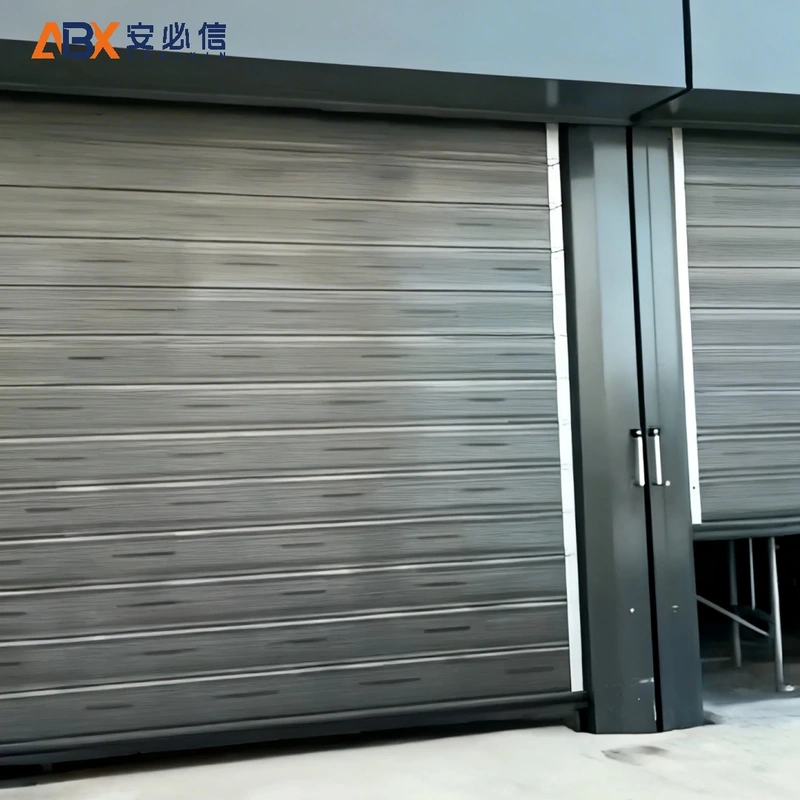
Spiral vs Turbine High-Speed Doors: Guide Geometry
Both park a rigid slat package above the opening, but the guide geometry changes headroom, wind behaviour and maintenance access.
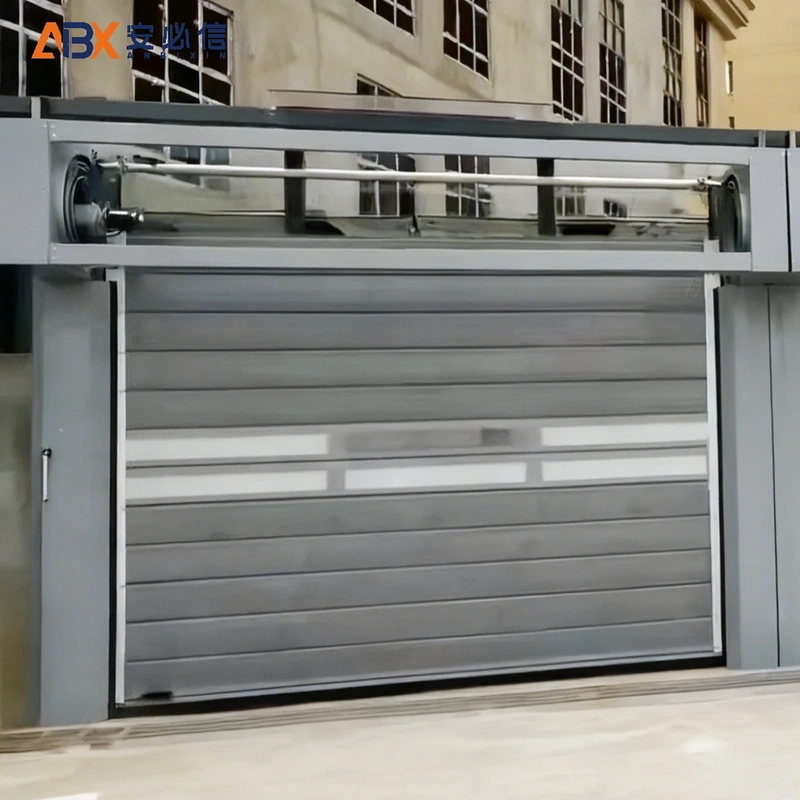
Rigid High-Speed Doors vs Sectional Overhead Doors
Two different answers to the same opening: speed and sealing against insulation and long closed periods. Where each one is the better engineering choice.

Rigid vs PVC High-Speed Doors: A Practical Comparison
The decision between a rigid slat door and a flexible PVC curtain, stated as conditions rather than preferences: wind, temperature, traffic and impact.
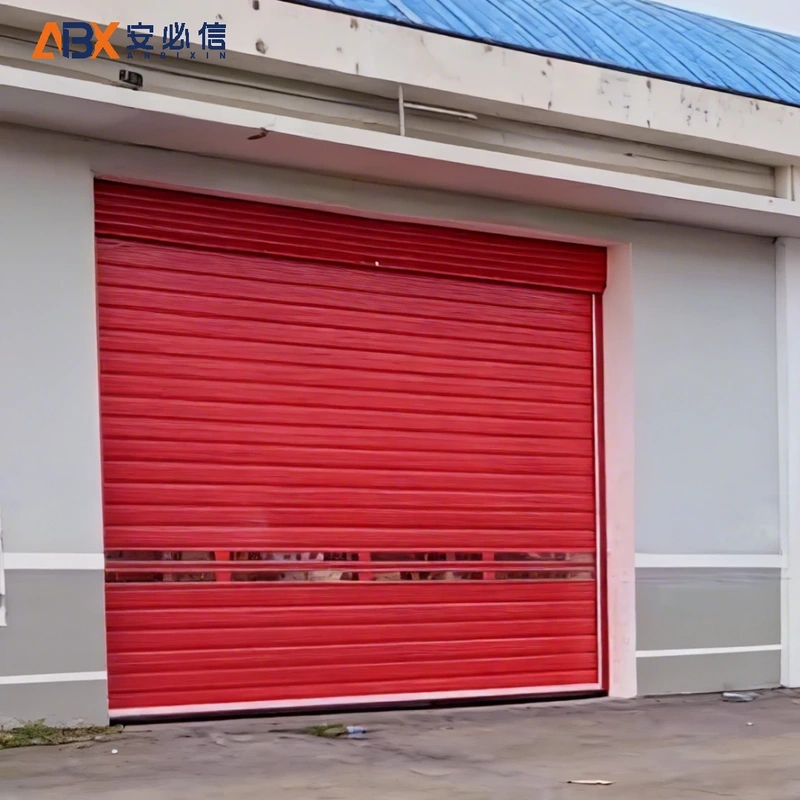
Cold Store Door Interfaces: Condensation and Frost
Where frost forms on a cold-room door, why the threshold and guides fail before the slats, and the details that keep the opening usable through a winter.
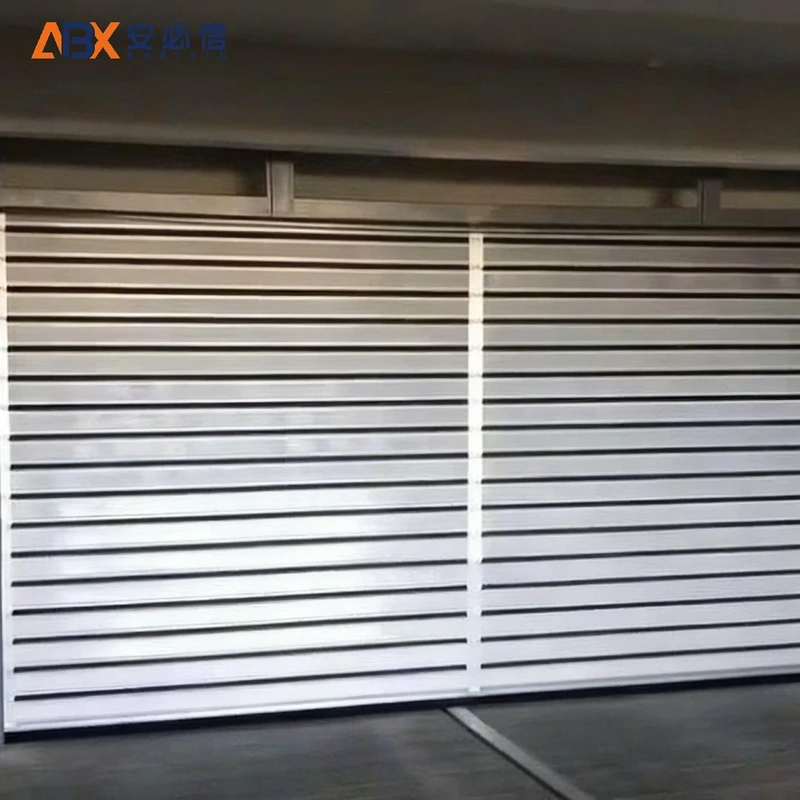
Diagnosing Unplanned Stops on High-Cycle Rigid Doors
A fault-finding order that starts with the controller log instead of the motor, and the five causes that account for most stoppages on a busy door.
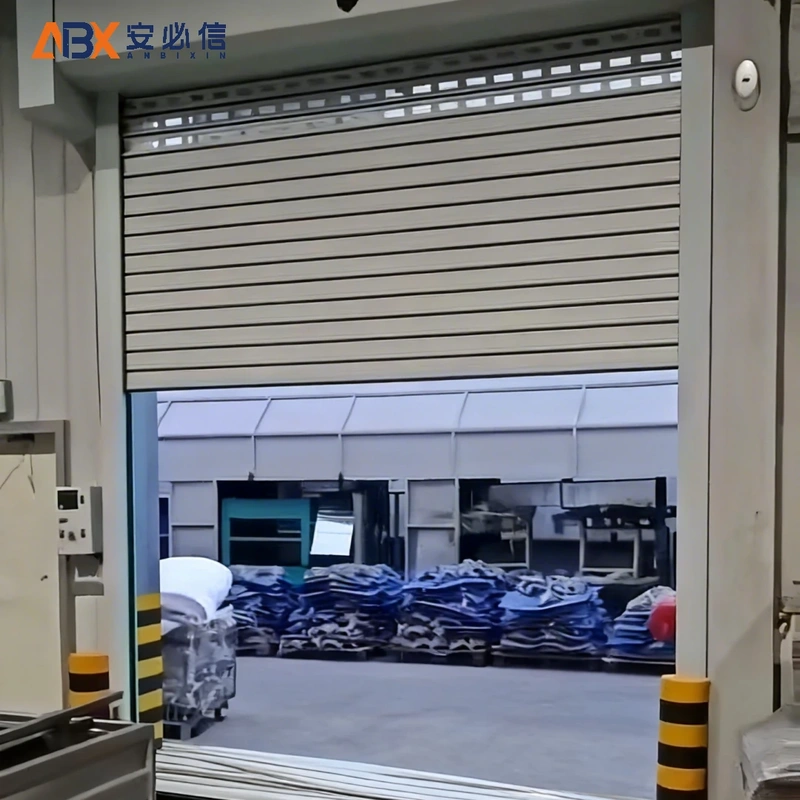
Preventive Maintenance for Rigid High-Speed Doors
A schedule built around cycle count rather than calendar months: what to inspect, what to replace, and the records that make the next service faster.
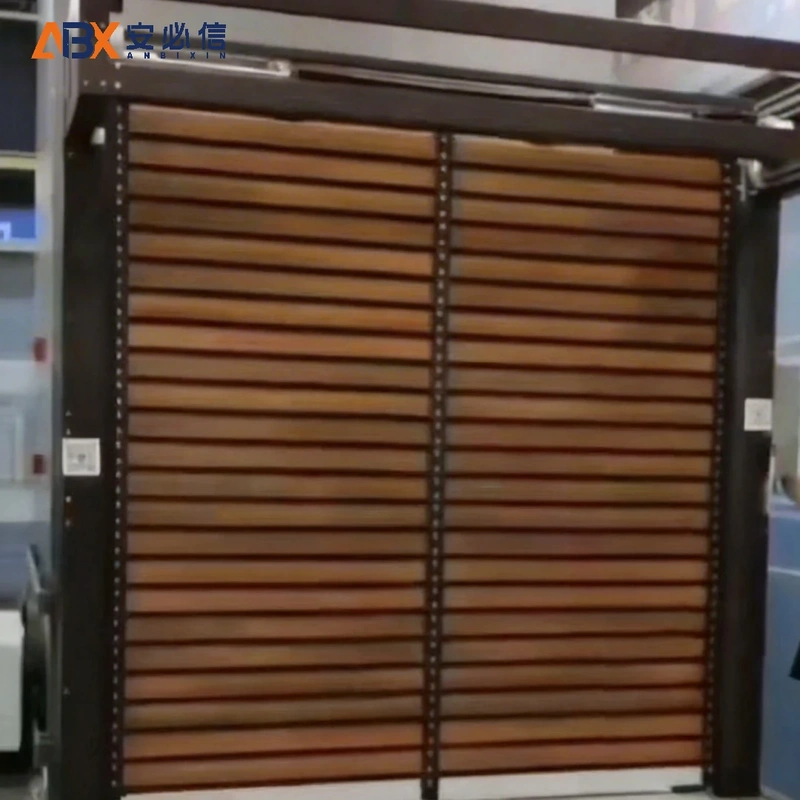
Drive, Control and Commissioning of a High-Speed Door
What the drive has to be sized for, which controller inputs matter, and the settings that should be written into the handover record.
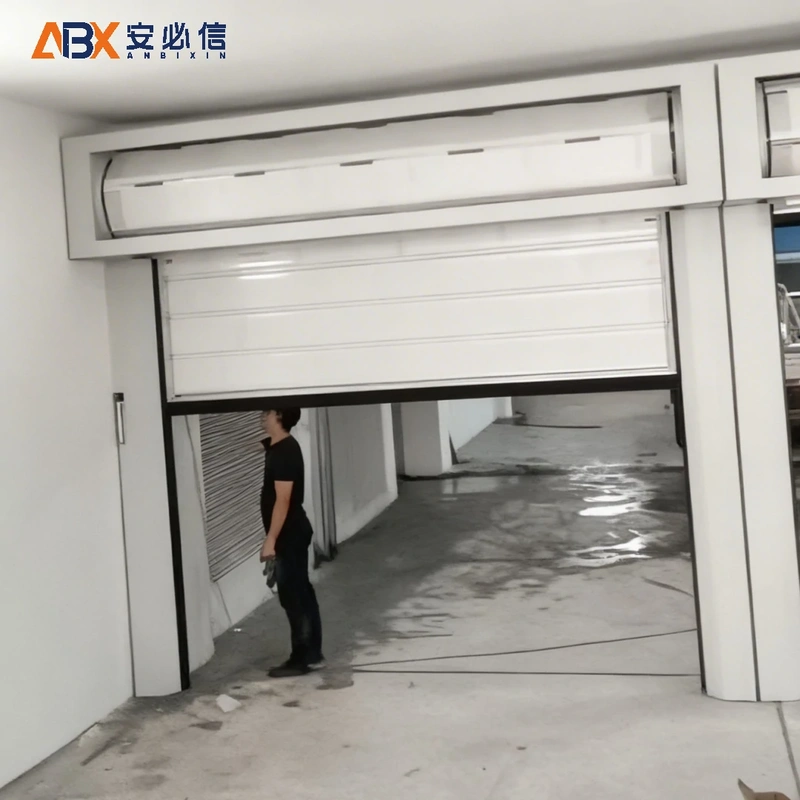
Safety Devices and EN 12453 for High-Speed Doors
The device set a power-operated high-speed door needs, how the coverage is decided, and the test that proves the reversal function still works.
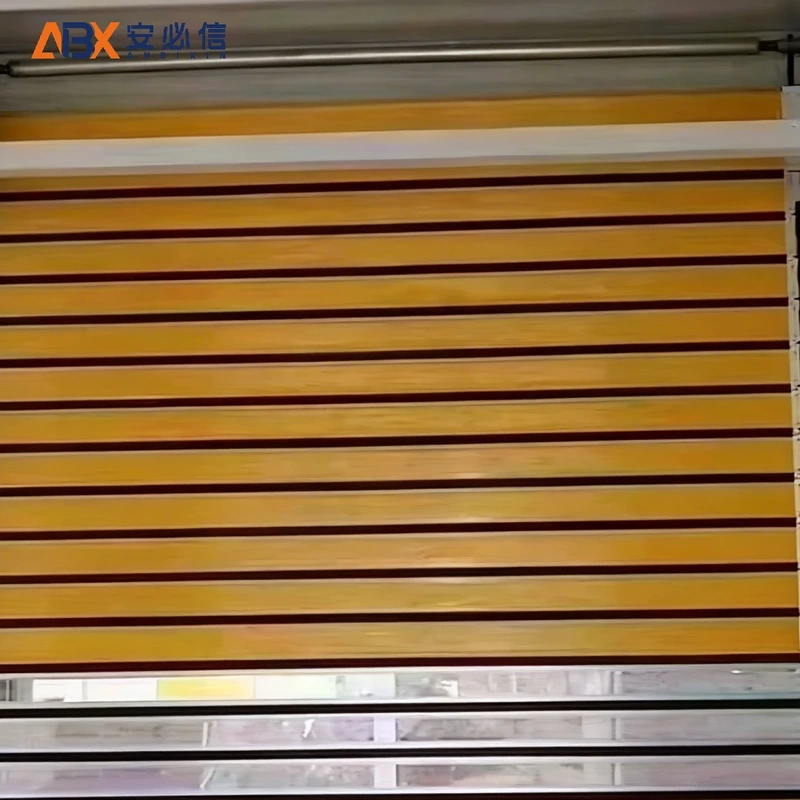
Insulation, Sealing and Air Infiltration in Slat Doors
Why the perimeter seal usually matters more than the slat thickness, how infiltration is estimated, and where condensation actually forms on a rigid door.
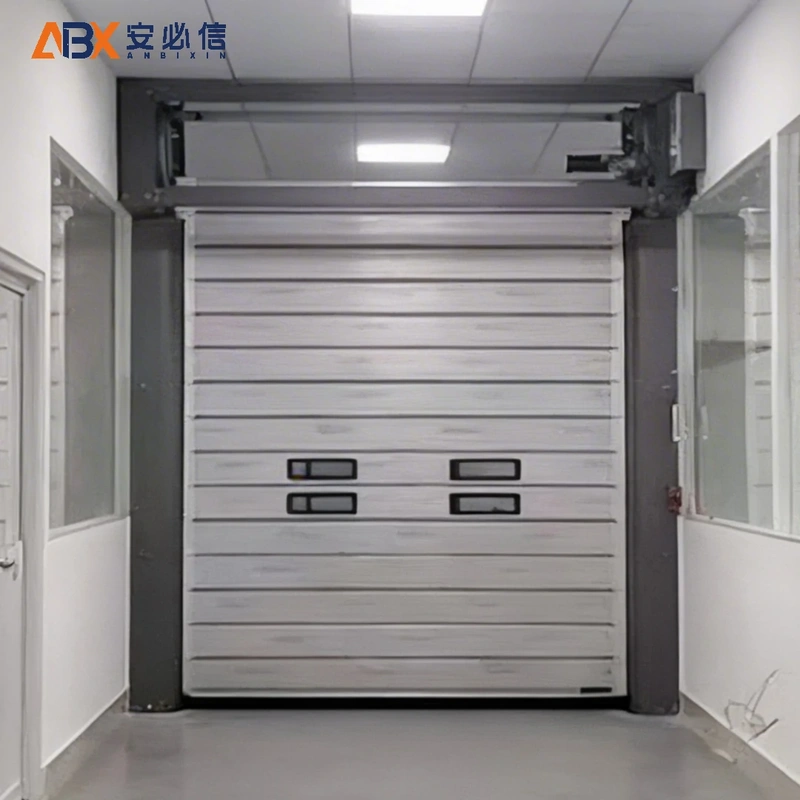
Wind Load Classes to EN 12424 for Door Elevations
What the EN 12424 wind classes mean for a door leaf, how exposure raises the required class above the basic wind speed, and what evidence to ask for.
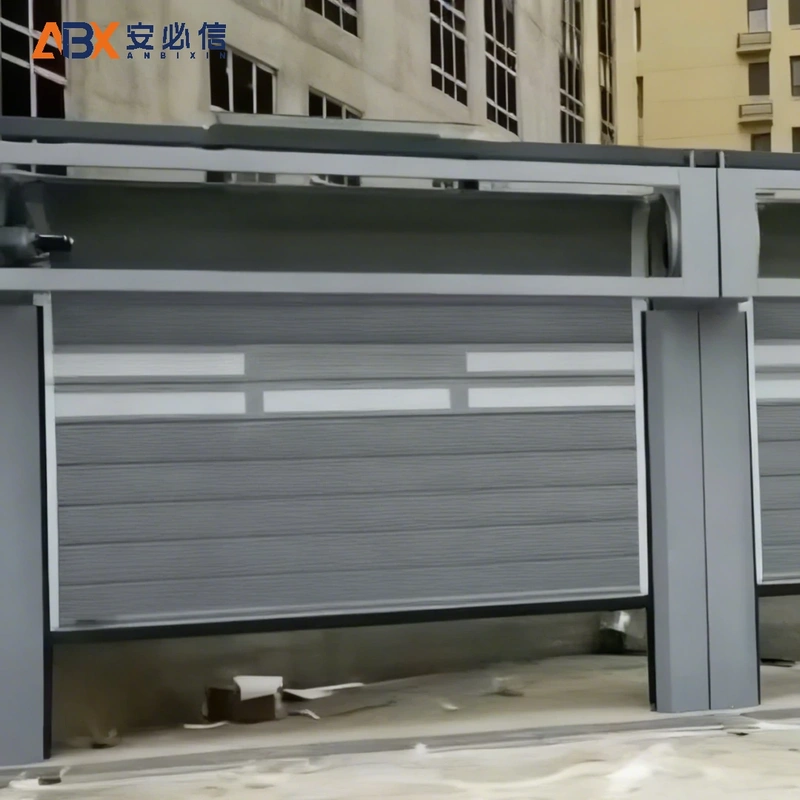
How to Specify a Rigid High-Speed Door: Eight Parameters
The eight figures that decide the door you actually need, in the order they should be settled, and what happens when one of them is estimated instead of.

Fire-Rated High-Speed Doors and Compartmentation
How a rated high-speed door closes on a signal, what the rating covers, and the interlocks and testing that keep a compartment boundary valid over time.